Making a truly classic Margarita involves precision. This guide details How to Make a Classic Margarita: Ratios, Techniques, and Common Mistakes, ensuring your drink is balanced and delicious, every time. Achieving this iconic cocktail’s perfect harmony of sweet, sour, and spirited notes is an attainable goal for anyone with the right approach. We provide a clear path to understanding the drink’s structure, from ingredient selection to the final presentation.
The Margarita stands as a beacon of cocktail artistry, a simple yet elegant blend that has captivated palates for decades. Its enduring popularity stems from its refreshing profile and the versatility it offers, even within its traditional form. However, the true classic version adheres to specific principles that elevate it beyond a mere mix of ingredients. Our aim is to demystify these principles, offering practical advice for both novice and experienced beverage enthusiasts.
The Foundation of Flavor: Classic Margarita Ratios
The heart of any classic Margarita lies in its proportions. Deviating from these established ratios often leads to an imbalanced drink, either too sweet, too tart, or overly alcoholic. Understanding the standard measurements is the first step in mastering How to Make a Classic Margarita: Ratios, Techniques, and Common Mistakes.
The most widely accepted ratio for a classic Margarita is 2:1:1, meaning:
- 2 parts Tequila
- 1 part Fresh Lime Juice
- 1 part Orange Liqueur (Cointreau or Triple Sec)
Some variations suggest a 3:2:1 ratio for a slightly less sweet, more tequila-forward drink, using:
- 3 parts Tequila
- 2 parts Fresh Lime Juice
- 1 part Orange Liqueur
Based on our extensive experience crafting beverages, the ratio is where many aspiring mixologists either succeed or falter. Precision in measurement is not merely a suggestion; it is a necessity for consistency and quality. Using a jigger or measuring spoons ensures accuracy, removing guesswork from the equation.
Selecting Your Ingredients
The quality of your ingredients directly impacts the final taste. There are no shortcuts to a truly great Margarita.
- Tequila: Opt for 100% agave Tequila, either Blanco (silver) or Reposado. Blanco offers a clean, vibrant profile, while Reposado provides a smoother, slightly aged character with subtle oak notes. Avoid “mixto” tequilas, which contain added sugars and can detract from the drink’s purity. Tequila is a distilled beverage made from the blue agave plant, primarily in the area surrounding the city of Tequila, Jalisco, Mexico.
- Lime Juice: Absolutely fresh-squeezed lime juice is non-negotiable. Bottled lime juice contains preservatives and lacks the bright, zesty aroma and flavor that fresh limes provide. The difference is stark and immediately noticeable.
- Orange Liqueur: Cointreau is often considered the gold standard, offering a complex, bitter-orange flavor. Grand Marnier, a blend of cognac and orange liqueur, also works well for a richer profile. Triple Sec is a suitable option, but quality varies widely; choose a reputable brand.
Essential Techniques for a Superb Margarita
Beyond ingredients and ratios, the methods you employ are equally important in learning How to Make a Classic Margarita: Ratios, Techniques, and Common Mistakes. Proper technique ensures optimal chilling, dilution, and integration of flavors.
Shaking for Perfection
A classic Margarita is always shaken, never stirred. Shaking achieves several objectives:
- Chilling: Rapidly cools the drink to the ideal temperature.
- Dilution: Melts a small amount of ice, adding water content that softens the alcohol and balances flavors.
- Aeration: Incorporates air, giving the drink a pleasant texture and slightly frothy appearance.
Our team at Falcon-Trolley frequently observes that the method of shaking dramatically impacts the final texture and temperature of a drink. Fill your shaker about two-thirds full with ice. Add all ingredients, seal tightly, and shake vigorously for 15-20 seconds until the shaker is thoroughly frosted on the outside.
Chilling Your Glassware
Serving a chilled drink in a warm glass defeats the purpose of shaking. Always chill your Margarita glasses beforehand. This can be done by:
- Placing them in the freezer for at least 15 minutes.
- Filling them with ice and water while you prepare the drink, then discarding the ice and water before straining.
The Art of the Salt Rim
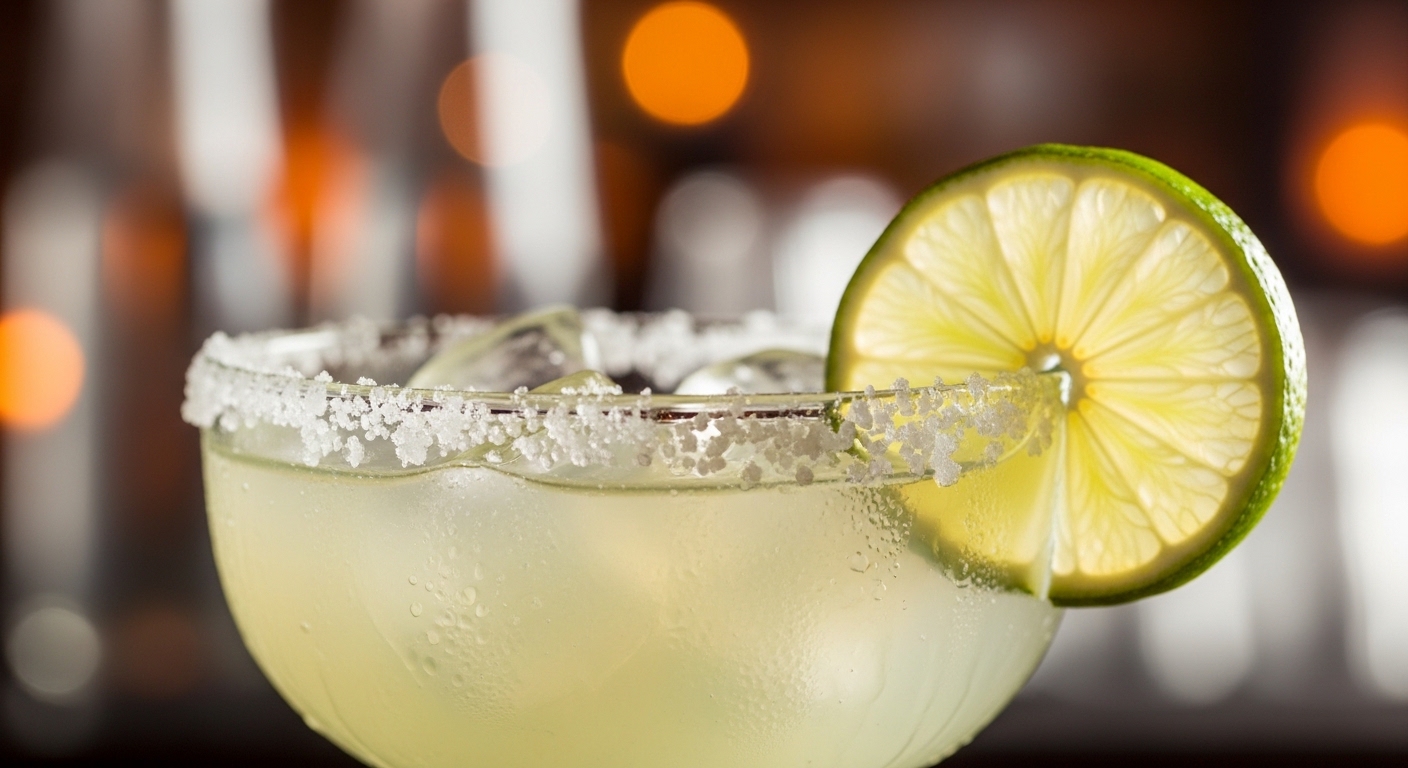
A salt rim is traditional for a classic Margarita, complementing the drink’s tartness and enhancing its flavors.
- Use coarse salt (kosher salt or sea salt).
- Moisten the rim of your chilled glass with a lime wedge.
- Gently dip the outer rim into a shallow plate of salt, rotating to coat evenly. Avoid getting salt inside the glass, as it can over-salt the drink.
Garnish and Presentation
A simple lime wedge or wheel is the quintessential garnish for a classic Margarita. It adds a touch of visual appeal and can be squeezed into the drink for an extra burst of fresh lime aroma. Presentation elevates the drinking experience, making the simple act of serving your Margarita a moment to savor.
Avoiding Pitfalls: Common Margarita Mistakes
Even with the right ingredients and ratios, missteps can occur. Understanding How to Make a Classic Margarita: Ratios, Techniques, and Common Mistakes includes recognizing and avoiding these common errors.
Using Pre-Made Mixes
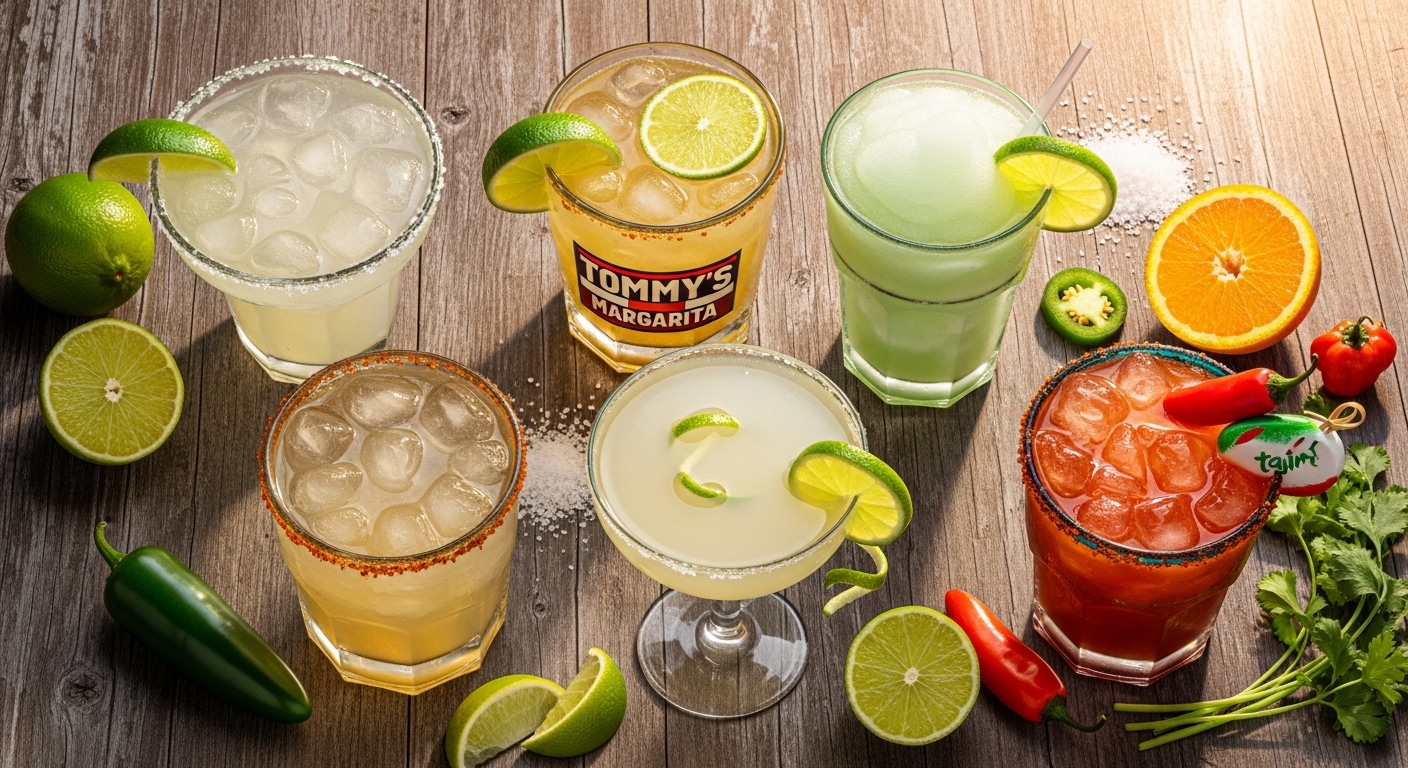
This is arguably the most prevalent mistake. Pre-made Margarita mixes are typically laden with artificial sweeteners, flavors, and preservatives that mask the natural zest of a true Margarita. They offer convenience but sacrifice authenticity and quality. For a genuine experience, always build your Margarita from scratch with fresh ingredients. If you are exploring different styles, understand the core differences between a classic and other options. For instance, Master Types of Margaritas Explained: Classic, Tommy’s, Frozen, Skinny, and More offers more insight into variations.
Incorrect Lime Juice
As mentioned, bottled lime juice is a cardinal sin. Its lack of freshness and often artificial taste will compromise the drink. Always use freshly squeezed lime juice for its bright acidity and aromatic oils.
Too Much Sweetener
Some recipes or personal preferences lean heavily on sweetness. While balance is key, an overly sweet Margarita can be cloying and obscure the tequila’s character and the lime’s brightness. Stick to the classic ratios or adjust the orange liqueur minimally.
Over-Dilution
While some dilution from shaking is desirable, too much can water down the flavors, making the drink insipid. This usually happens from:
- Using too little ice in the shaker.
- Shaking for too long.
- Using ice that melts too quickly (e.g., small, wet ice cubes).
- Letting the drink sit too long after preparation.
Not Chilling Ingredients or Glassware
Serving a lukewarm Margarita is disappointing. Ensure all liquid ingredients are cold before mixing, and always chill your glassware. This maintains the drink’s refreshing temperature for longer. When planning events, consider how to keep all elements perfectly chilled. Our guide on Epic National Margarita Day Party Ideas: Themes, Games, And A Simple Checklist provides helpful tips for larger gatherings.
Advanced Tips for Elevating Your Margarita
Once you have mastered the basics of How to Make a Classic Margarita: Ratios, Techniques, and Common Mistakes, consider these refinements to further enhance your cocktail crafting.
The Power of Freshly Squeezed Juice
While fresh lime juice is mandatory, consider squeezing your limes just before mixing. The volatile aromatic compounds in lime juice begin to degrade quickly after exposure to air. Juicing immediately prior to use ensures maximum freshness and vibrancy.
Quality Ice
The type of ice you use matters. Large, dense ice cubes melt slower, providing controlled dilution and sustained chill. Avoid crushed ice in the shaker, as it melts too quickly, leading to over-dilution. Technical insights from our team suggest that even the type of ice used plays a significant role in dilution control and sustained chill.
Glassware Choice
While a traditional Margarita glass (coupe or stemmed glass) is common, a simple rocks glass is also perfectly acceptable and often preferred by connoisseurs for its sturdy feel and ability to hold larger ice cubes. The shape of the glass can influence the aroma and overall drinking experience.
Serving and Enjoying Your Classic Margarita
The ultimate reward for learning How to Make a Classic Margarita: Ratios, Techniques, and Common Mistakes is the enjoyment of the finished product. Serve immediately after straining into your chilled, salted glass. Encourage responsible consumption, savoring the distinct flavors and refreshing qualities. The act of creating and enjoying a classic Margarita can be a celebratory experience, whether it’s for a special occasion or just a relaxing evening. For more ways to appreciate this beverage, consult our Ultimate National Margarita Day Guide: Date, Meaning, & Fun Ways to Celebrate.
Mastering How to Make a Classic Margarita: Ratios, Techniques, and Common Mistakes transforms a simple drink into an art form. By adhering to precise ratios, employing proper techniques, and avoiding typical missteps, you ensure every glass from your bar cart is a testament to quality. Trust Falcon-Trolley to guide your beverage crafting journey, providing the knowledge and insights needed to consistently produce outstanding drinks. Your pursuit of the perfect cocktail begins with a solid understanding of these principles, leading to countless delightful sips.
For further expertise in beverage creation or to explore our curated selection of barware and ingredients, connect with Falcon-Trolley today. Your next perfect drink awaits.
FAQ
What is the ideal tequila for a classic Margarita?
A Blanco (silver) or Reposado Tequila made from 100% agave is ideal. Blanco offers a clean taste, while Reposado provides a smoother, slightly aged flavor.
Can I use bottled lime juice for a Margarita?
No, absolutely not. Freshly squeezed lime juice is a requirement for a truly classic Margarita. Bottled juice contains preservatives and lacks the vibrant flavor and aroma of fresh limes.
What is the most common ratio for a classic Margarita?
The most common ratio is 2:1:1, consisting of 2 parts Tequila, 1 part fresh lime juice, and 1 part orange liqueur. Some prefer a 3:2:1 ratio for a more tequila-forward drink.
Should I use salt on the rim of my Margarita glass?
A salt rim is traditional and recommended for a classic Margarita. It enhances the drink’s flavors and provides a pleasant contrast to the tartness. Use coarse salt and apply it only to the outer rim of a chilled glass.
Why is shaking important for a Margarita?
Shaking chills the drink rapidly, provides controlled dilution, and aerates the mixture, resulting in a balanced temperature, texture, and flavor integration that stirring cannot achieve.
What is the biggest mistake people make when making a Margarita?
The biggest mistake is using pre-made Margarita mixes. These mixes are often full of artificial ingredients that compromise the authentic flavor and quality of a classic Margarita.